
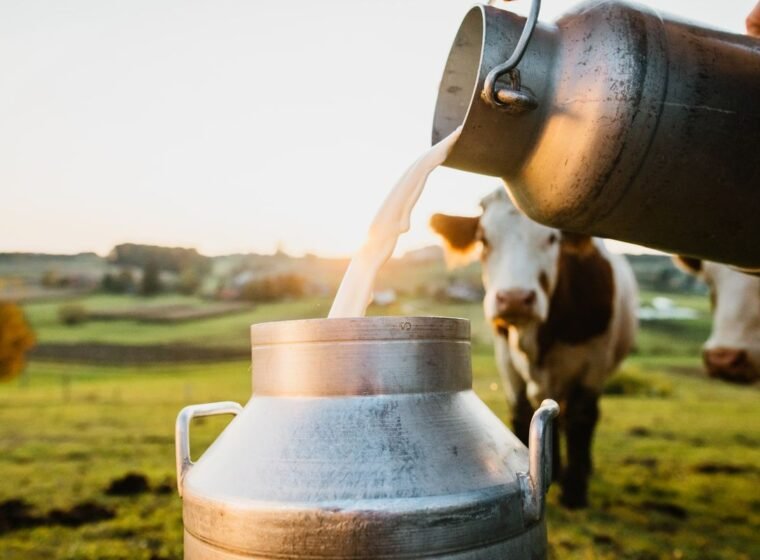
Should You Switch to A2 Milk? Here’s How to Know
What Is A2 Milk?
A2 milk is milk that contains only the A2 type of beta-casein protein. Milk protein mainly consists of whey and casein, and beta-casein is one part of the casein protein. There are two common types of beta-casein: A1 and A2. Regular milk available in most markets often contains A1 protein or a mix of A1 and A2 proteins. A2 milk, on the other hand, contains only the A2 protein.
Indian desi cow breeds such as Gir, Sahiwal, Red Sindhi, and Tharparkar naturally produce A2 milk. Many foreign or crossbred cows produce milk containing A1 protein due to genetic differences.
A1 vs A2 Milk – Understanding the Difference
The difference between A1 and A2 milk lies in a small variation in the amino acid structure of the beta-casein protein. While this difference seems minor, it can affect how the protein behaves during digestion. When A1 protein is digested, it may release a compound called BCM-7 (Beta-casomorphin-7), which some studies suggest could be linked to digestive discomfort in certain individuals.
A2 protein does not break down in the same way, and many people report that they find A2 milk easier to digest. Although research is still ongoing, growing consumer awareness has increased demand for A2 milk across India.
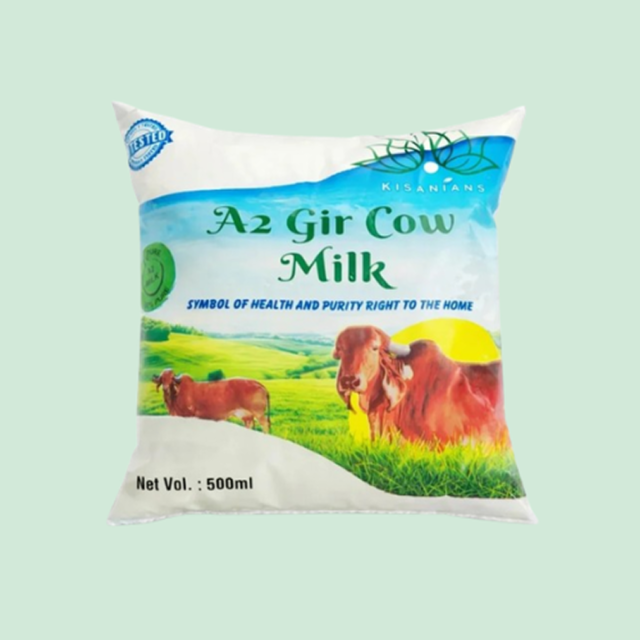
Why Is A2 Milk Considered Healthier?
- Easier Digestion
Many individuals who feel bloated, gassy, or uncomfortable after drinking regular milk find relief switching to A2 milk. It is often described as lighter and gentler on the stomach. 2. Rich Nutritional Profile
A2 milk is naturally rich in:
- High-quality proteinCalcium for strong bones
- Vitamin B12
- Potassium
- Phosphorus
- Healthy fats
3. Suitable for Children and Elderly
Due to its digestibility, A2 milk is often preferred for children and senior citizens. It provides essential nutrients needed for growth and strength without causing heavy digestive issues.
4. Supports Traditional Nutrition
For centuries, Indian households consumed milk from indigenous cows, and A2 milk is essentially a return to those traditional dietary practices.

